
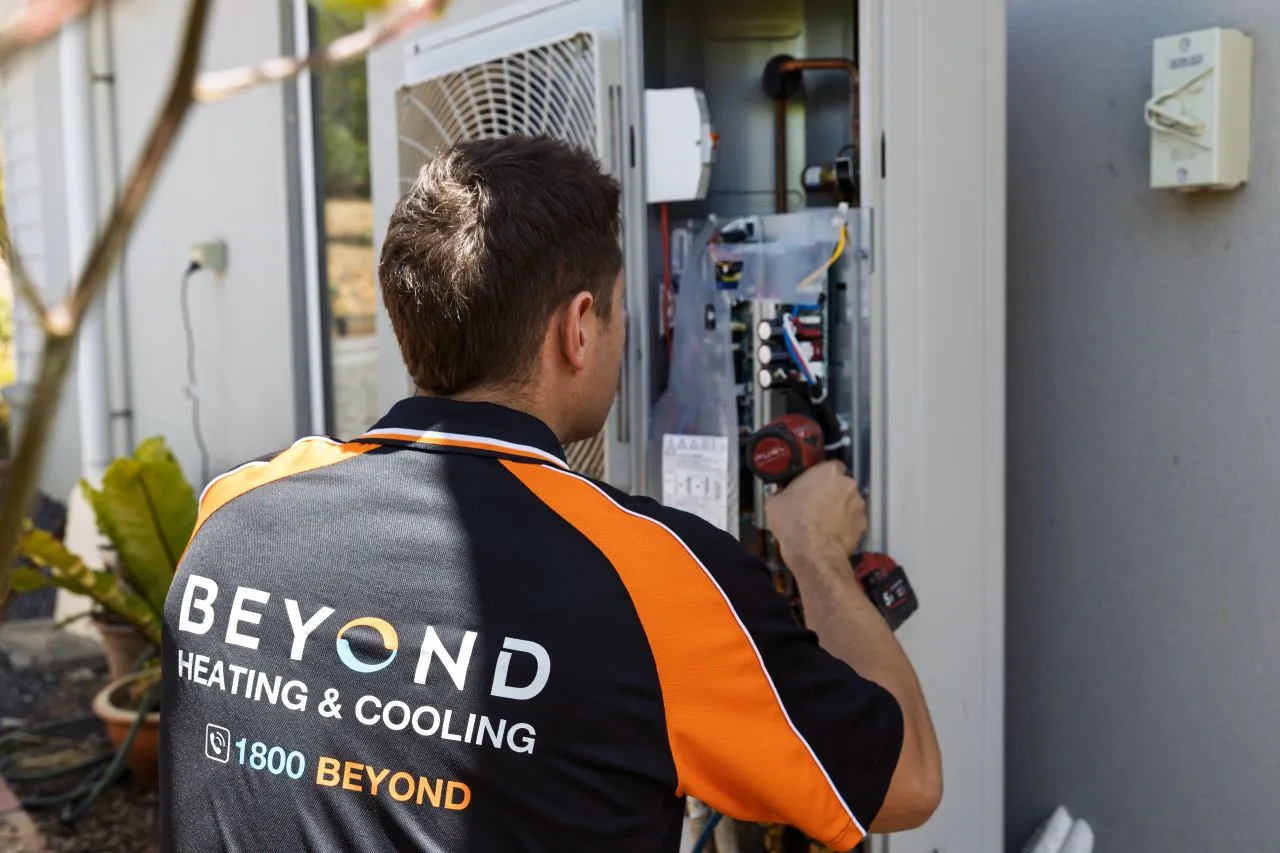
Replacing Gas Ducted Heating — What Melbourne Homeowners Need to Know in 2026
If your gas ducted heater is getting up there in age, we’re talking 15, 20, sometimes 25 years old, you’ve probably started noticing a few things. Maybe it takes longer to warm the house up. Maybe your gas bills have crept up without you really changing anything. Or maybe you’ve heard that Victoria is moving away from gas and you’re wondering what that actually means for you.
You’re not alone. A lot of Melbourne homeowners are in the same spot right now, trying to figure out whether to repair what they’ve got, replace it with another gas unit, or make the switch to electric. There’s a lot of noise out there about it, so let’s break down what’s actually going on and what your real options are.
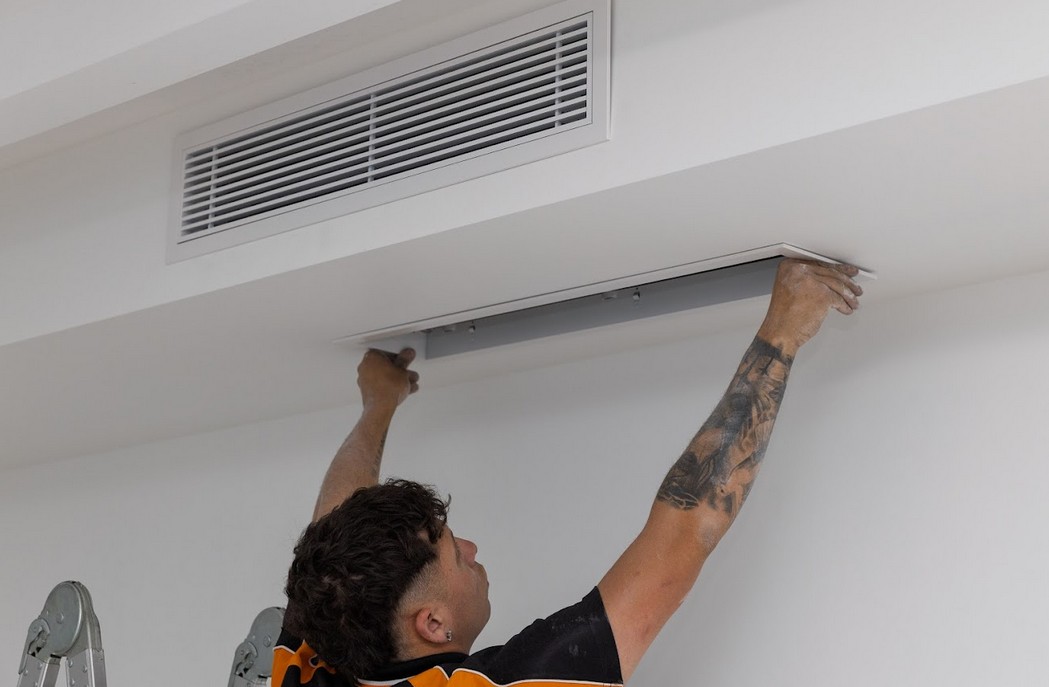
Why So Many Gas Ducted Systems Are Being Replaced Right Now
There are a few things happening at once.
First, a huge number of gas ducted heaters installed in the early 2000s (and even the 90s) are reaching end of life. These units were built to last 15-20 years, and a lot of them are now well past that. Parts are harder to get, efficiency drops off, and at some point it costs more to keep fixing them than to replace.
Second, Victoria’s been pushing hard on electrification. The state government banned gas connections in new homes from January 2024, and while that doesn’t mean you have to rip out your existing gas system tomorrow, the writing’s on the wall. Rebates and incentives are geared toward electric now, and the gas network isn’t getting cheaper to maintain, which means your gas bills are only going one direction.
Third, and this is the practical one, reverse cycle technology has come a long way. Ten years ago, a ducted reverse cycle system in Melbourne was a hard sell because the older units struggled in really cold weather. That’s genuinely not the case anymore. Modern systems handle Melbourne winters without drama.
Your Three Options (and the Honest Pros and Cons)
When your gas ducted heater is on the way out, you’ve basically got three paths.
1. Repair and Keep Going
If your system is under 15 years old and the issue is something straightforward, a fan motor, an ignition module, a thermostat, it can make sense to repair. You’ll spend a few hundred dollars and buy yourself a few more years.
But if you’re looking at a cracked heat exchanger (which is a safety issue, not just a comfort one) or the unit is already 20-plus years old, you’re throwing money at something that’s going to fail again. Be honest with yourself about where the system’s at.
2. Replace With a New Gas Ducted Unit
Yes, you can still do this. Existing gas connections are grandfathered in, no one’s forcing you off gas. A new gas ducted heater will be more efficient than your old one, and if your existing ductwork is in good condition, you might be able to reuse it, which keeps the cost down.
The catch: you’re investing in a system that runs on a fuel source Victoria is actively moving away from. Gas prices aren’t coming down. And when you eventually sell the house, buyers are increasingly looking at running costs. It’s not a wrong choice for everyone, but go in with your eyes open.
3. Switch to Ducted Reverse Cycle (Electric)
Considering whether ducted gas or reverse cycle is right for your home? Read our 2026 comparison guide on ducted gas vs reverse cycle for Melbourne homes.
This is where most people are landing in 2026, and for good reason. A ducted reverse cycle system gives you heating and cooling in one unit. You’re off gas (or at least off gas for heating), your running costs drop, and you’re eligible for Victorian Energy Upgrades (VEU) rebates that can take a decent chunk off the install cost.
The downside is the upfront cost is higher than a straight gas replacement, especially if your existing ductwork needs modifying or replacing. But when you factor in the rebates, lower running costs, and the fact you’re getting cooling as well, the numbers usually make sense over 5-7 years.
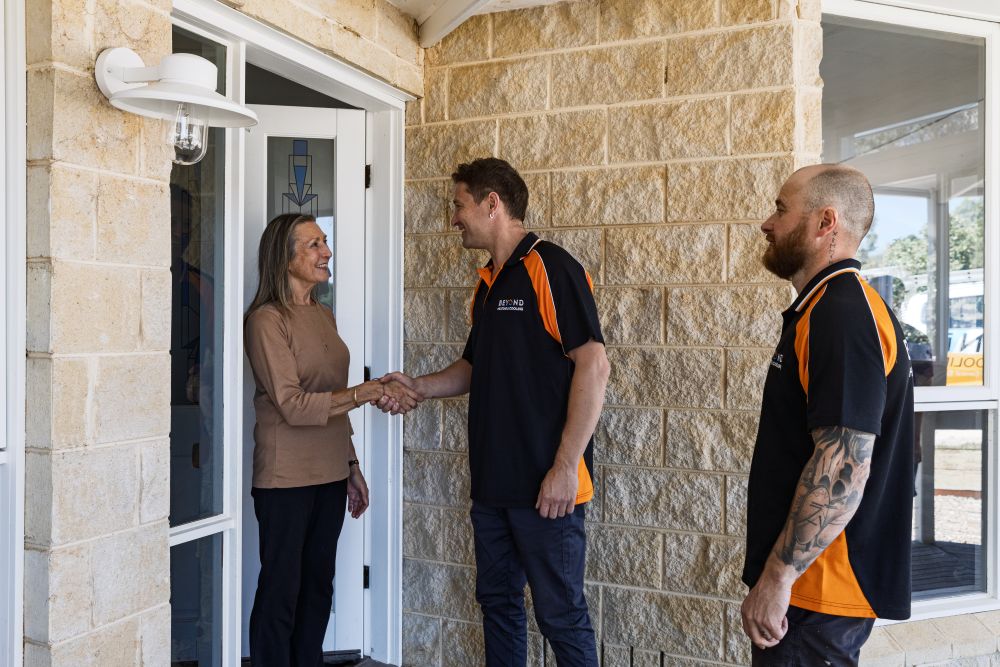
What the Replacement Process Actually Looks Like
People always want to know what they’re in for, so here’s the rough sequence.
- Assessment: Someone comes out, looks at your current system, checks the ductwork, measures the house, and talks to you about what you actually need. This is where a lot of installers get it wrong, they quote a system size based on a rough guess instead of doing a proper load calculation. If someone quotes you without measuring, that’s a red flag.
- Quote and planning: You get a written quote covering the unit, ductwork modifications (if any), electrical work, and any gas disconnection. No surprises on the day.
- Install day(s): For a straightforward gas-to-gas swap where the ductwork is reusable, you’re often looking at one day. For a full changeover to reverse cycle with new ductwork, it’s usually two to three days. You won’t have heating during the install, so try not to book it in the middle of July if you can avoid it.
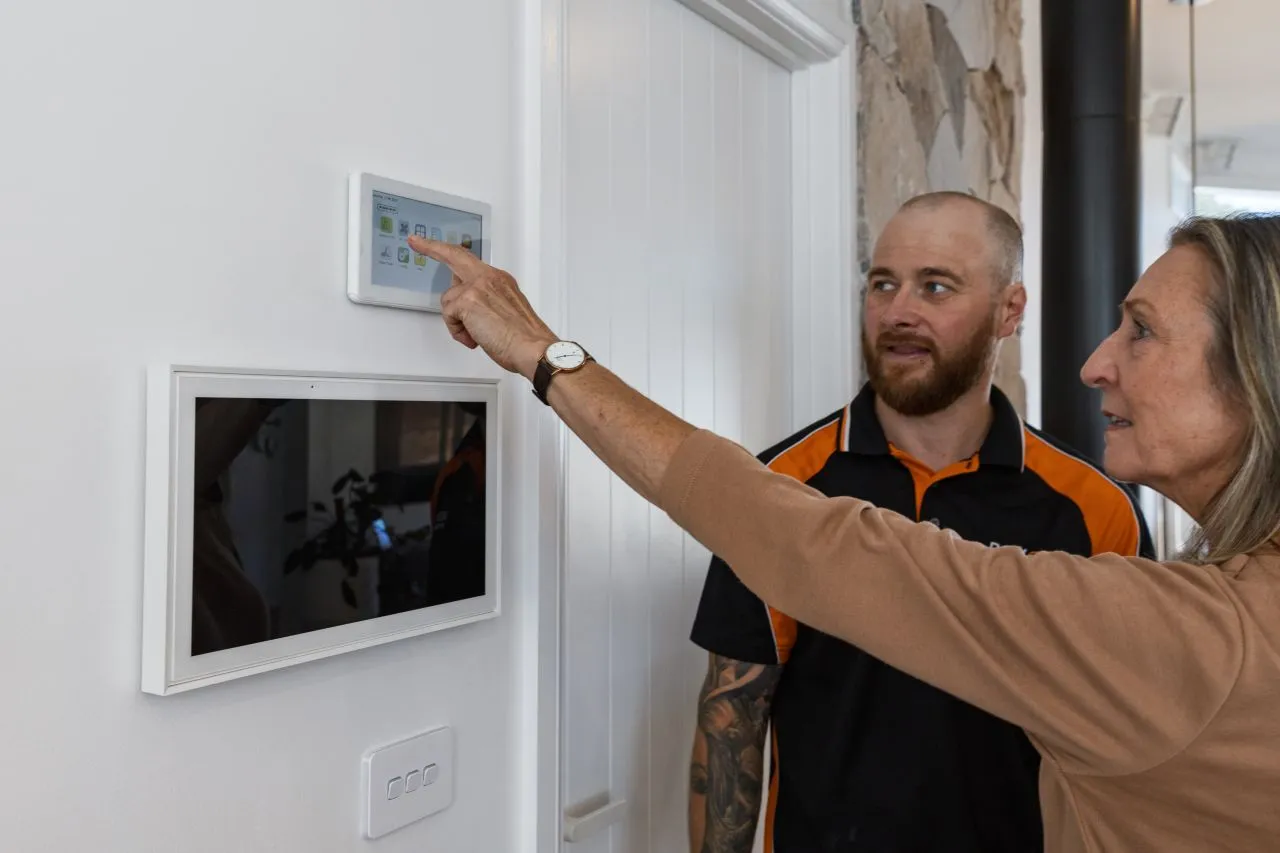
- Commissioning: The system gets tested, zones get balanced, and you get shown how to actually use it. Sounds basic, but you’d be surprised how many people get a new system installed and never get walked through the controller properly.
What It Costs (Ballpark)
Pricing varies a lot depending on your house size, how much ductwork needs doing, and what system you go with. But here’s a realistic range for Melbourne in 2026.
- Gas ducted heater replacement (reusing existing ducts): From around $4,500 to $7,000 installed, depending on the unit size and brand.
- Ducted reverse cycle (full install, new ductwork): From around $10,000 to $18,000+ for an average Melbourne home. Bigger homes, multiple zones, or tricky roof spaces push it higher.
- Ducted reverse cycle (using existing ductwork where possible): From around $7,500 to $13,000. Not every gas duct layout is compatible, but when it works, it saves a fair bit.
- VEU rebates can knock anywhere from $1,000 to $3,000+ off depending on the system and your circumstances. Your installer should be able to handle the rebate paperwork for you, if they can’t, ask why.
These are guide prices, not gospel. Every house is different. If you want a straight answer for your place, just call and ask for a quote, Beyond Heating and Cooling don’t charge for it.
How Long Does It Take?
From first call to system running:
- Simple gas swap: Often within a week or two of accepting the quote, with a one-day install.
- Full reverse cycle changeover: Usually two to four weeks lead time (unit ordering, scheduling), then two to three days on site.
- Peak season (May, July): Everything takes longer because everyone in Melbourne suddenly remembers their heater doesn’t work. If you’re reading this in autumn, now is genuinely the best time to get it sorted.
What to Ask Your Installer
Not all installers are equal, and this is one of those jobs where the install quality matters as much as the equipment. Here are the questions worth asking:
- Have you done a heat load calculation for my house? Not a guess, an actual calculation. Undersized systems won’t heat the house. Oversized systems cycle on and off and waste energy.
- Can I reuse my existing ductwork? Sometimes yes, sometimes no. An honest installer will tell you either way.
- What brand and model are you quoting? You should know exactly what you’re getting, not just “a 14kW system.”
- What’s the warranty, on the unit and on your install work? Manufacturer warranty and installer warranty are two different things.
- Are you licensed for gas disconnection? If you’re switching from gas, the old unit needs to be properly disconnected by a licensed gas fitter. Not every HVAC company can do this, Beyond can, because the team holds gas fitting licences as well as HVAC.
- Will you handle the VEU rebate? You shouldn’t have to chase paperwork.
Frequently Asked Questions
Do I have to replace my gas heater with electric?
No. There’s no law requiring you to remove an existing gas ducted heater. You can repair it or replace it with another gas unit. But Victoria’s energy policy is heading toward electrification, so it’s worth factoring in where things are going, not just where they are now.
Can I keep my gas cooktop if I switch my heating to electric?
Absolutely. Switching your heating to reverse cycle doesn’t affect your gas cooktop, hot water, or anything else. You’re just taking one appliance off gas. You can electrify the whole house over time if you want to, but there’s no requirement to do it all at once.
Is reverse cycle heating warm enough for Melbourne winters?
Yes. Modern ducted reverse cycle systems are rated to operate efficiently well below the temperatures Melbourne gets. The old reputation of heat pumps struggling in the cold comes from older, less capable units. Current systems handle it fine, even on those 2°C mornings in July.
How do I know if my ductwork can be reused?
An installer needs to physically inspect it. They’re checking for the right size, condition (no major leaks, tears, or collapsed sections), and whether the layout suits the new system. Metal ductwork in good condition can often be reused. Older flexible duct that’s deteriorated usually needs replacing.
What happens to my old gas heater?
Your installer removes it and disposes of it. The gas supply to the unit gets properly capped off by a licensed gas fitter. You don’t need to organise anything separately.
Will a new system reduce my energy bills?
It should, yes. A 20-year-old gas ducted heater running at maybe 60-70% efficiency replaced by a modern reverse cycle system with a COP of 4 or better is a significant difference in running costs. Exactly how much depends on your house, your usage, and your electricity rate, but most people see a noticeable drop.
If you’ve got an old gas ducted system and you’re not sure what to do with it, give Beyond Heating and Cooling a call. They’ll come out, look at what you’ve got, and give you honest advice on whether it’s worth repairing or replacing, and what the best replacement option is for your house. No pressure, no obligation, just a straight conversation about what makes sense.
Related reading: Considering both options? Our 2026 comparison guide on ducted gas vs reverse cycle for Melbourne homes walks through the real running cost numbers, when each one wins, and what Victoria’s gas ban means for existing gas-connected homes.
What Others Are Reading:


Our Services
Get In Touch
Contact us today for a free, no-obligation quote on your heating and cooling needs.