
Gas ducted central heating warms the whole house from one heater, pushing heated air through ducts to vents in each room. It is still common in Melbourne homes, but it is expensive to run because it burns gas and also uses electricity for the fan. Before you install a new gas ducted heater, it is worth comparing it with a reverse cycle ducted system, which heats and cools from the same vents.
- How it works: a gas heater warms air over a heat exchanger and a fan sends it through ducts to vents in each room.
- Running costs: the Australian Government’s energy.gov.au describes ducted gas heating as expensive to operate.
- The alternative: reverse cycle air conditioners turn one unit of electricity into 3 to 6 units of heating or cooling.
How Does Gas Ducted Central Heating Work?
A gas ducted heating system has one central heater connected to a network of insulated ducts. The heater warms the air, and a fan pushes it through the ducts to vents in the floor or ceiling of each room. A return air grille draws the cooler air back to the heater so it can be warmed again.

Here is what happens each time the heating switches on:
- Air intake: a fan draws air from the house into the central heater through the return air grille.
- Heating: the air passes over a heat exchanger that is warmed by burning natural gas.
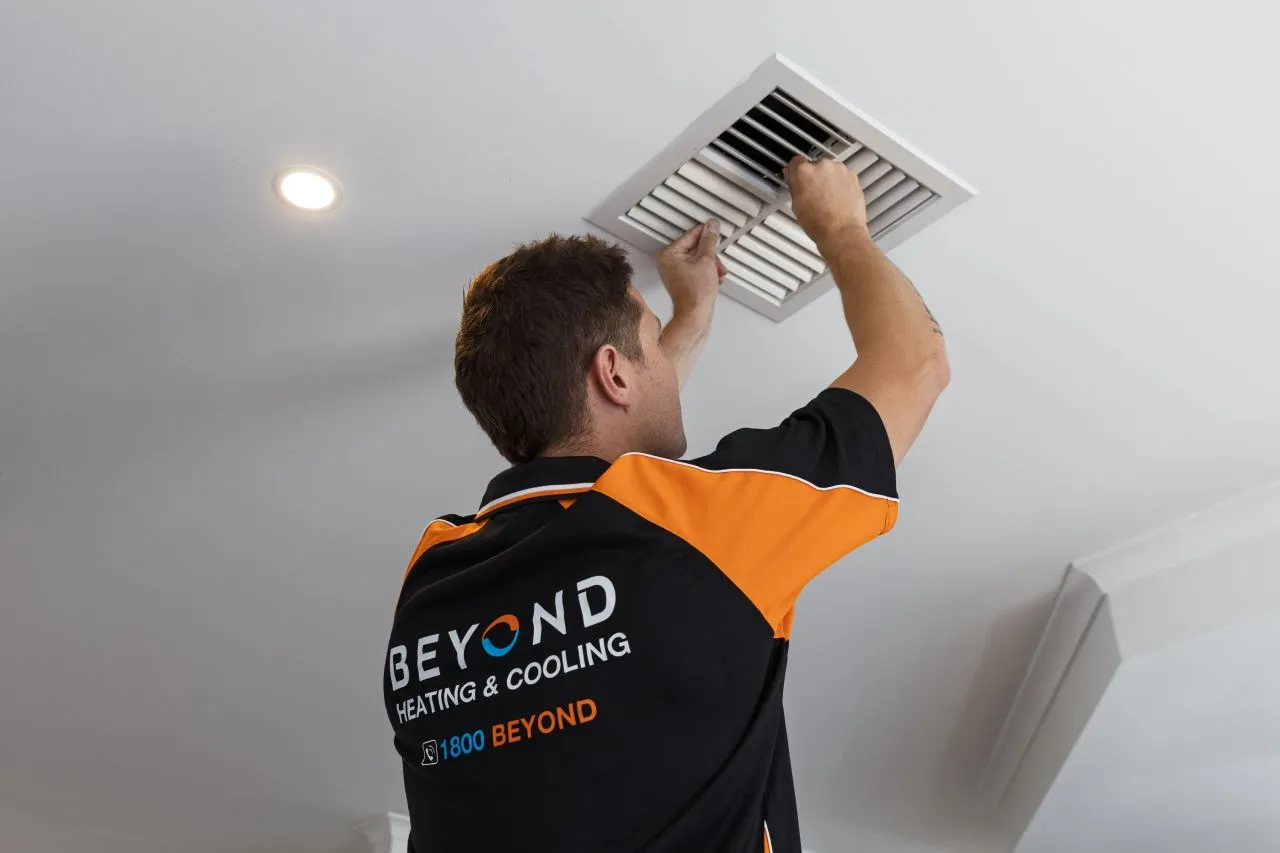
- Distribution: the warm air travels through the insulated ducts and comes out of the vents in each room.
- Temperature control: a thermostat reads the room temperature and switches the heater on and off to hold the setting you chose.
Where Is a Gas Ducted Central Heater Installed in the House?
According to energy.gov.au, a ducted gas heater is installed under the floor, in the ceiling or next to an external wall, and the heat is carried through ducting in the ceiling or under the floor. Where your heater and ducts sit depends on how the house is built and how easily ducts can be run through the roof space or subfloor.
Most Melbourne homes have their ducting in the ceiling, but some have floor vents fed from the subfloor. If you are replacing an old system, the location of your existing vents tells you which kind you have.
What Does Gas Ducted Central Heating Cost to Run?
The Australian Government’s energy.gov.au guide says ducted gas heaters are expensive to operate because they use a lot of gas and also draw electricity to run the fans. The same guide notes that purchase and installation can be costly as well.
Gas ducted heating does have strengths. It heats effectively, and it can be zoned so that only the rooms you are using are warmed. The trouble is that it only heats, so a home with gas ducted heating needs a separate system for cooling in summer.

Why Are Melbourne Homes Choosing Reverse Cycle Ducted Heating Instead of Gas?
Reverse cycle ducted heating gives you heating and cooling from one system, and it runs on electricity instead of gas. Energy.gov.au says reverse cycle air conditioners sold in Australia are between 300% and 600% efficient, because they move heat rather than make it. One unit of electricity can deliver 3 to 6 units of heating or cooling.
Ducted reverse cycle systems are a little less efficient than wall-mounted units because they use a bigger fan and lose some energy through the ductwork. Even so, energy.gov.au states that ducted reverse cycle systems are more cost-efficient than gas heating. If your home has solar panels, the system can also run on power you generate yourself.
That is why we suggest that anyone pricing a new gas ducted heater also prices electric ducted heating before deciding. You can compare the two side by side in our guide to ducted gas versus reverse cycle in Melbourne.
How Is Ducted Central Heating Sized for Your Home?
A ducted heating system has to match the size and build of the home. A system that is too small leaves rooms cold on winter nights, and one that is too large costs more to buy and run than it needs to. Energy.gov.au points homeowners to AIRAH’s FairAir website for help working out the capacity they need.
These features of your home change how much heating it needs:
- Insulation: a well insulated ceiling and walls hold heat for longer.
- Floor type: some types of flooring lose heat faster than others.
- Windows: large windows, and the direction they face, affect how quickly rooms cool down.
- Ceiling height: rooms with high ceilings have more air to warm.
Our guide on how to size ducted heating in Melbourne explains this in more detail, and our tips on choosing a ducted heating system cover the other choices you will make.
Can Ducted Central Heating Be Zoned?
Yes. Both gas ducted and reverse cycle ducted systems can be split into zones, so you heat only the parts of the house you are using. Energy.gov.au notes that ducted gas heating can be zoned to the rooms where heat is needed, and the same applies to a reverse cycle ducted system.
A common setup is to heat the living areas during the day and the bedrooms at night. Closing off rooms that nobody is using means the system is not spending energy on empty space.
How Should You Set the Thermostat to Keep Heating Costs Down?
Energy.gov.au says each extra degree of heating in winter increases your energy use by between 5% and 10%. Turning the setting down by a degree or two, and putting on a jumper instead, is one of the simplest ways to cut heating costs.
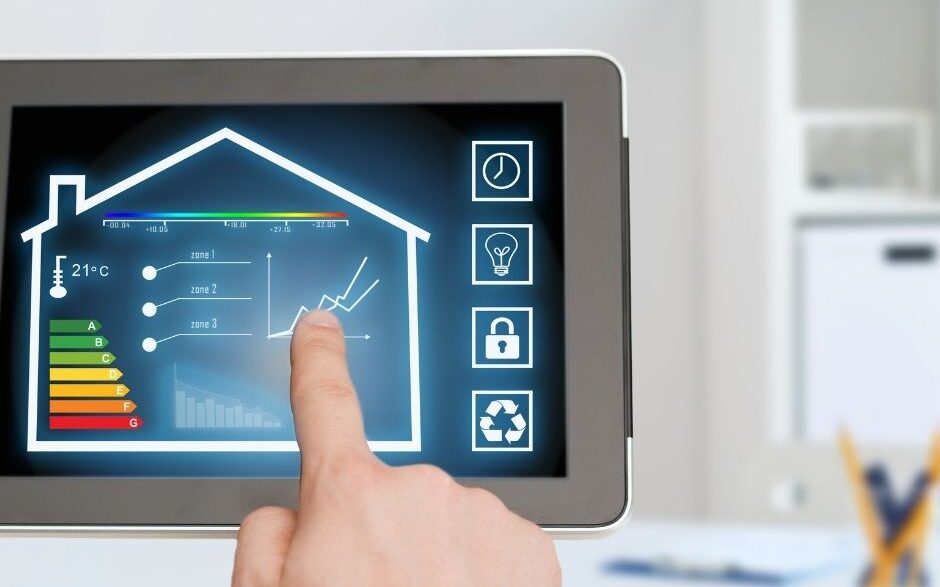
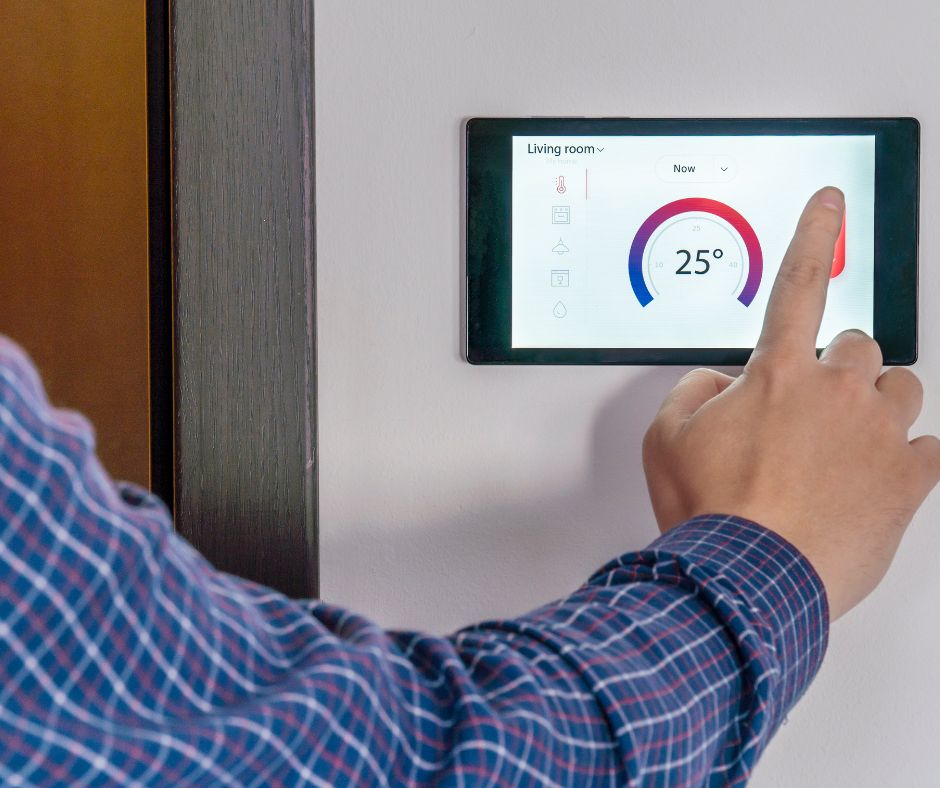
Modern wall controllers make this easier. Many let you set the temperature by hand, choose which zones are on, and program a weekly schedule so the house warms up shortly before you get home.

What Happens When You Replace Gas Ducted Heating With Reverse Cycle?
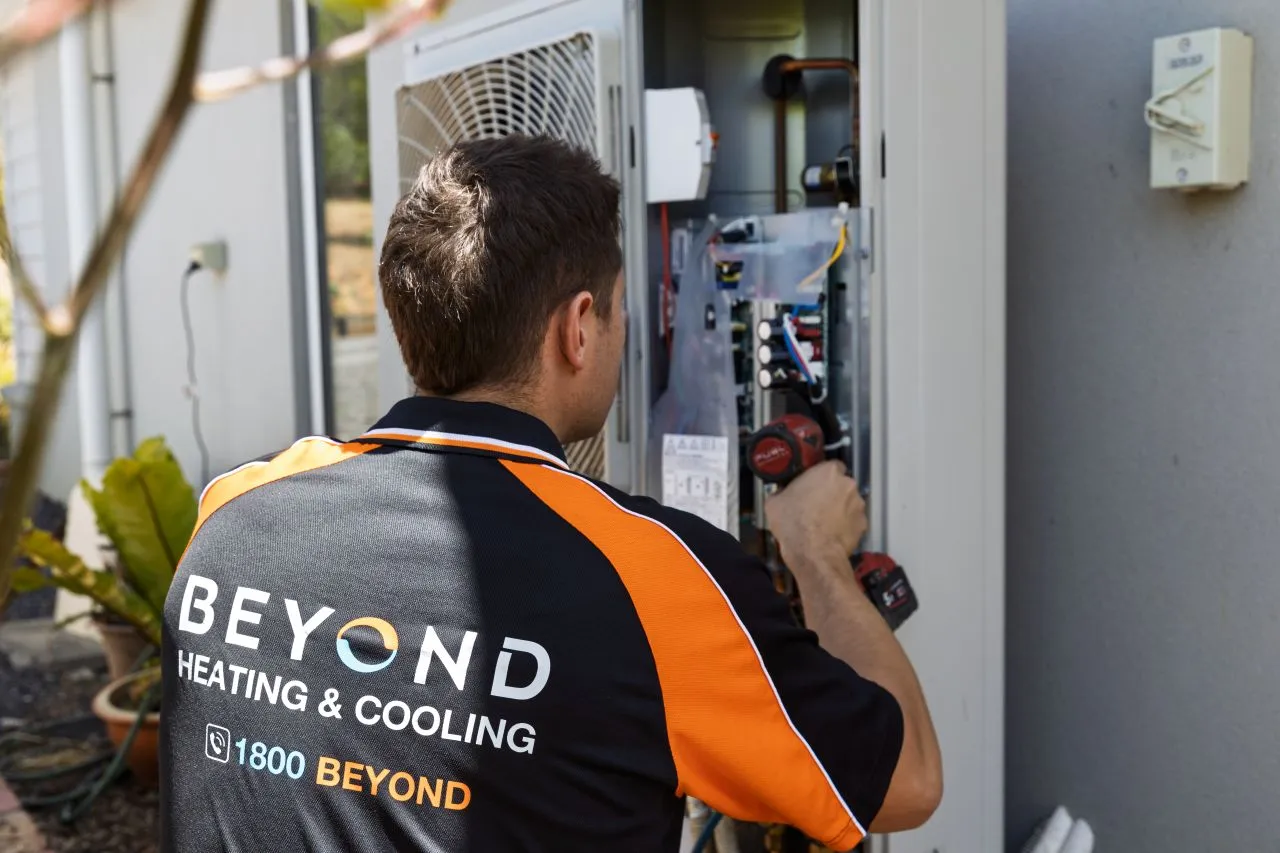
When Beyond Heating and Cooling replaces gas ducted heating, we remove the old gas heater and install a new reverse cycle ducted system. Your vents stay where they are, and we run new ducting to the same outlet points in the ceiling or floor, so you are not left with patched holes or new cut-outs.
Victorian households switching from gas to a qualifying reverse cycle system may be eligible for the Victorian Energy Upgrades rebate, which comes off the installation price. Our page on the VEU rebate explains how it works, and our page on replacing gas ducted heating with electric heating sets out the systems we install and their prices.
Ducted Central Heating Installation in Melbourne With Beyond Heating and Cooling
Beyond Heating and Cooling installs new ducted air conditioning and heating systems across Melbourne, and our team is licensed for both refrigerant and gas work. If your gas ducted heater is getting old, or you are planning heating for a renovation, call us on 1800 239 663 or send us a message. We will look at your home, explain the options that suit it, and give you a quote for the system we recommend.
What Others Are Reading:
Our Services
Get In Touch
Contact us today for a free, no-obligation quote on your heating and cooling needs.